
Home Lift Door Options: Swing, Sliding and Automatic Entry Systems for Australian Installations
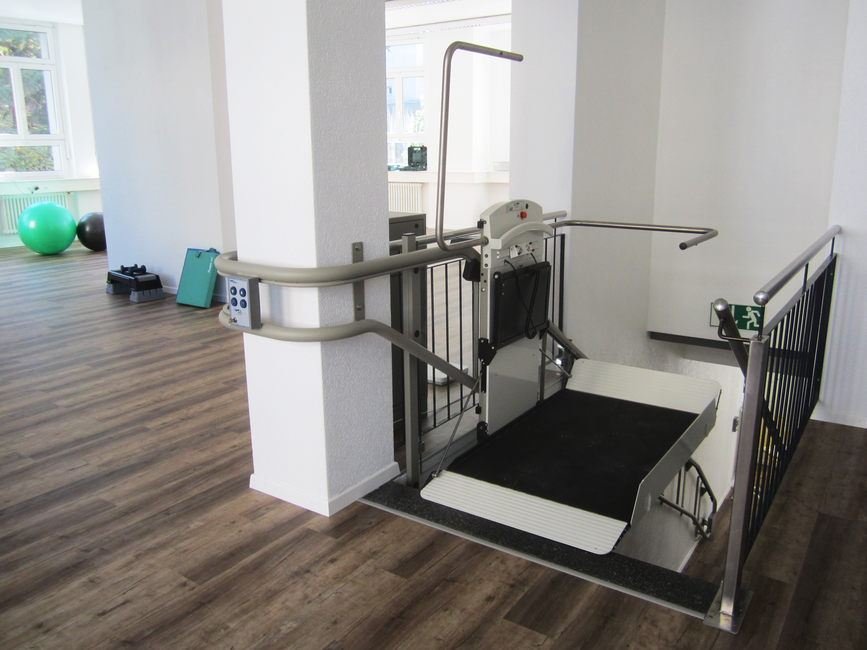
Understanding Home Lift Door Options
Choosing the right door system for your home lift is a crucial decision that affects safety, space efficiency, accessibility, and daily operation. Australian homeowners have three primary options when it comes to lift entry systems: swing doors, sliding doors, and automatic entry systems. Each type offers distinct advantages and considerations that make them suitable for different home layouts, user needs, and installation requirements.
The door system you select will significantly impact how much space your lift requires, how easily family members can access it, and how well it integrates with your home's existing design. Understanding the differences between these systems helps ensure you make an informed choice that serves your household's needs for years to come.
Modern home lifts incorporate sophisticated safety features regardless of door type, but the specific mechanisms and user experience vary considerably between swing, sliding, and automatic systems. Before exploring each option in detail, it's worth considering your home's layout, the primary users' mobility needs, and how the door system will integrate with your existing lift types and overall installation.
Swing Door Systems for Home Lifts
Traditional swing doors remain a popular choice for residential lifts, particularly in installations where space permits and users prefer familiar, straightforward operation. These doors function similarly to standard household doors, swinging open on hinges to provide lift access. However, home lift swing doors incorporate additional safety mechanisms and must meet specific Australian Standards requirements for residential elevator installations.
Space Requirements and Layout Considerations
Swing doors require clearance space for the door's arc when opening, typically adding 600-900mm to the overall space requirements around the lift entrance. This clearance must remain unobstructed on both sides of the door, making swing doors less suitable for compact installations or narrow hallways. Australian homes with generous corridor space and traditional layouts often accommodate swing doors without difficulty.
The door swing direction can be customised to suit your home's traffic flow, but safety regulations require that lift doors open outward from the lift car to prevent passengers from being trapped inside. This outward swing requirement must be factored into your home's floor plan during the design phase.
Safety Features and Mechanisms
Modern swing door systems include interlocking mechanisms that prevent the lift from operating unless the door is fully closed and secured. Magnetic locks, mechanical latches, and electrical sensors work together to ensure passenger safety. Australian installations may need to meet relevant Australian safety requirementss standards, which mandate specific safety features including emergency release mechanisms and fail-safe locking systems.
Swing doors typically feature vision panels or glass sections that allow users to see into the lift car before entering, improving safety and confidence for users with mobility concerns. The substantial construction of quality swing doors also provides excellent noise isolation between floors.
Accessibility and User Experience
For users with mobility aids such as wheelchairs or walking frames, swing doors can present both advantages and challenges. The wide opening provided by fully opened swing doors offers generous access, but the physical effort required to open and hold the door while manoeuvring mobility equipment can be problematic for some users.
However, many swing door systems can be fitted with push-button operators or low-force opening mechanisms that reduce the physical effort required. These modifications make swing doors more accessible while maintaining their traditional operation and aesthetic appeal.
Sliding Door Systems
Sliding doors offer excellent space efficiency and have become increasingly popular in modern Australian homes where compact design and clean aesthetics are priorities. These doors operate horizontally, sliding parallel to the wall or into recessed pockets, eliminating the swing clearance requirements that traditional hinged doors demand.
Space Efficiency Benefits
The primary advantage of sliding doors is their minimal space requirement. Without the need for swing clearance, sliding door systems can be installed in much tighter spaces, making them ideal for narrow hallways, compact homes, or installations where maximising usable floor space is important. This efficiency often makes sliding doors the preferred choice for through-floor lifts and other space-conscious installations.
Sliding doors can be designed as single panels that slide to one side or as split panels that slide apart from the centre. The choice depends on your available wall space and aesthetic preferences, with both options providing the same space-saving benefits.
Operational Mechanisms
Quality sliding door systems operate on precision tracks with ball bearing rollers or similar mechanisms that ensure smooth, quiet operation. The doors can be manually operated with minimal force or fitted with power operators for effortless automatic operation. Safety sensors prevent the doors from closing if obstructions are detected in the doorway.
The track system requires regular maintenance to prevent debris accumulation and ensure continued smooth operation. Australian homes in dusty environments or coastal areas may need more frequent track cleaning to maintain optimal performance.
Design Integration
Sliding doors offer excellent design flexibility, often integrating seamlessly with modern home aesthetics. The panels can be finished to match surrounding walls, creating a nearly invisible lift entrance when closed. Glass panels, timber veneers, and various architectural finishes allow sliding doors to complement any interior design scheme.
For homes with existing sliding door features, such as wardrobe doors or room dividers, lift sliding doors can maintain design consistency throughout the residence.
Automatic Entry Systems
Automatic lift doors represent the pinnacle of convenience and accessibility in residential lift systems. These sophisticated systems eliminate the need for manual operation entirely, opening and closing automatically as users approach and depart. Automatic doors are particularly valuable for users with limited mobility or strength, providing effortless access that significantly improves the lift's usability.
Types of Automatic Systems
Automatic entry systems can utilise either sliding or folding door mechanisms, with sliding being more common in residential installations. The doors operate using electric motors controlled by sensors, timers, and safety systems that ensure reliable and safe operation. Some systems include proximity sensors that detect approaching users, while others respond to call buttons or weight sensors in the lift car.
Advanced automatic systems can integrate with smart home lift technology, allowing operation through mobile apps, voice commands, or home automation systems. These features add considerable convenience, particularly for users with mobility limitations or those carrying items.
Accessibility Advantages
For wheelchair users, elderly residents, or anyone with reduced hand strength or dexterity, automatic doors eliminate barriers to lift access. The doors open with sufficient speed to allow easy entry without rushing, yet close slowly enough to prevent injury if someone is still in the doorway. Adjustable timing settings ensure the system works optimally for your household's specific needs.
Automatic doors also benefit users carrying groceries, luggage, or other items that make manual door operation difficult. The hands-free operation significantly improves the practical usability of the lift for everyday activities.
Safety Considerations
Automatic door systems incorporate multiple safety features to prevent injury and ensure reliable operation. Infrared sensors, pressure-sensitive edges, and optical barriers detect obstructions and prevent the doors from closing on people or objects. If an obstruction is detected, the doors typically reverse direction and fully reopen.
Emergency manual override systems allow the doors to be opened manually during power failures or system malfunctions. Battery backup systems can maintain door operation for essential functions even when mains power is interrupted.
safety requirementss and Australian Regulations
All home lift door systems installed in Australia may need to meet relevant sections of relevant Australian safety requirementss, which covers passenger elevator safety requirementss. These requirements ensure that regardless of door type, installations meet minimum safety criteria for residential use. Understanding these standards helps homeowners make informed decisions about which door system best meets their needs while maintaining compliance.
Interlocking Requirements
Australian standards mandate that lift doors include interlocking mechanisms that prevent the lift from operating unless all doors are properly closed and secured. These interlocks must function reliably and include backup systems to prevent failure. Regular home lift safety inspections verify that interlock systems continue operating correctly throughout the lift's service life.
The interlock system must also prevent doors from opening when the lift car is not properly positioned at the landing, preventing potentially dangerous falls into the lift shaft.
Emergency Access
All door systems must include provisions for emergency access by qualified technicians or emergency services personnel. This typically involves special keys or tools that can override normal locking mechanisms. Homeowners should ensure they understand the location and operation of emergency access features and maintain clear access for emergency personnel.
Fire Safety Integration
In multi-storey homes, lift door systems may need to integrate with fire safety systems, potentially including automatic recall functions that return the lift to a designated floor during fire emergencies. These requirements vary by state and local council regulations, making it essential to consult with qualified installers about specific requirements for your location and home design. Understanding home lift fire safety requirementss helps ensure your installation meets all applicable requirements.
Cost Considerations and Budget Planning
The choice of door system significantly impacts both initial installation costs and ongoing maintenance expenses. Understanding these financial implications helps homeowners budget appropriately and choose systems that provide the best value for their specific needs and circumstances.
Initial Installation Costs
Swing door systems typically represent the most economical option, with straightforward mechanisms that require less complex installation. Sliding doors generally cost more than swing doors due to their precision track systems and mounting requirements. Automatic door systems command the highest initial investment due to their sophisticated motors, sensors, and control systems.
However, the door system cost represents just one component of the total lift installation expense. When planning your budget, consider how the door choice affects other installation aspects, such as shaft construction and space requirements. A comprehensive understanding of all cost factors helps ensure realistic budget planning for your project. For detailed cost breakdowns, consult our cost guide which covers various installation scenarios.
Maintenance and Operating Costs
Swing doors typically require the least ongoing maintenance, with simple mechanical systems that need periodic lubrication and adjustment. Sliding doors require regular track cleaning and roller maintenance to ensure smooth operation, particularly in dusty environments. Automatic door systems need the most comprehensive maintenance, including motor servicing, sensor calibration, and control system updates.
Annual maintenance costs for door systems typically range from $100-$300 for basic swing doors up to $300-$500 for sophisticated automatic systems, depending on complexity and local service rates. These costs should be factored into long-term ownership expenses when selecting your door system.
Choosing the Right Door System for Your Home
Selecting the optimal door system requires careful consideration of your home's layout, family needs, budget, and long-term plans. The right choice balances functionality, safety, accessibility, and cost to provide years of reliable service that enhances your home's usability and value.
Assessing Your Space Requirements
Begin by carefully measuring available space around proposed lift locations, considering both current and future furniture arrangements. Swing doors work well in homes with generous corridor space, while sliding doors suit compact areas or narrow hallways. Automatic systems can use either sliding or swing mechanisms, so space considerations remain important regardless of automation level.
Consider how the door operation will interact with daily traffic patterns in your home. Doors that open into frequently used walkways may create inconvenience or safety concerns, while well-positioned systems enhance accessibility and convenience.
Evaluating User Needs
Assess the physical capabilities and preferences of primary lift users, both current and anticipated future needs. Families with elderly members or those planning to age in place may benefit from automatic systems that eliminate physical effort. Households with young children might prefer simple, predictable swing door operation.
Consider mobility aids that family members currently use or might need in future, ensuring your door choice accommodates wheelchairs, walking frames, or other assistance devices comfortably and safely.
Long-term Value Considerations
While automatic doors require higher initial investment, they may provide better long-term value for households where accessibility is a priority. The enhanced usability and independence they provide can justify the additional cost, particularly for users with progressive mobility conditions.
Consider how your door choice affects the lift's integration with potential future home automation or smart home systems. Automatic doors typically offer better integration opportunities, while manual systems may limit future upgrade options.
Installation and Professional Considerations
Regardless of which door system you choose, professional installation by qualified technicians is essential for safety, compliance, and optimal performance. The complexity of lift door systems requires specialised knowledge and experience that only certified installers possess.
Quality installers will assess your home's specific requirements, recommend appropriate door systems based on your needs and space constraints, and ensure installations meet all relevant Australian standards and local regulations. They can also provide valuable guidance on maintenance requirements and operating procedures that maximise safety and system longevity.
When selecting door systems for your home lift, take time to research options thoroughly, consult with qualified professionals, and consider both immediate needs and long-term requirements. The right choice will provide years of safe, convenient service that enhances your home's accessibility and functionality. To explore your options with qualified installers in your area, get free quotes from certified professionals who can assess your specific requirements and recommend the most suitable door system for your home.
Disclaimer: The information in this article is intended as a general guide only and does not constitute professional advice. Home lift regulations, Australian Standards, building codes, and pricing may vary by state and territory and are subject to change. Readers are responsible for verifying all regulations, compliance requirements, and product specifications relevant to their circumstances before making any purchasing or installation decisions. We do not guarantee the accuracy, completeness, or currency of the content provided.


